The national anthem has been the subject of controversy.
To know the meaning of the anthem, study the words and the context in which it was written. The time frame was the War of 1812. Our adversary was the British government, a superpower with the strongest navy in the world.
As a maritime nation, moving material by sea was critical for our economic sustainment. There were no roads, rail or air. Large quantities of supplies were moved via waterways, and shipping was a prosperous industry. The British understood this and captured our ships and cargo and impressed into naval service (essentially kidnapped) thousands of American sailors. Men and material captured by the British disrupted our supply chain and threatened our independence.
President James Madison had enough and declared war on Great Britain. The British attacked New York, New Orleans and Washington and just days prior to the attack on Baltimore burned the White House and Capitol, the center of our government.
Francis Scott Key, a young lawyer in his 30s, set out to the British fleet to negotiate the release of an impressed sailor. The British, however, held him captive aboard ship and launched an attack on Fort McHenry in Baltimore harbor.
Key observed the all-night incessant bombing. Before the bombing, Key saw the U.S. flag flying over the fort, but after the attack would the American flag remain? He asked the question, “say can you see is the flag still there, does that banner yet wave?” The presence of the flag represented the American ability to repel the British and hold the fort against a horrific attack and if removed, if taken down, the British were victorious and were on their way to defeating a young country.
Americans died that night defending the flag and our country. The question Key wanted answered is are we still a free nation? Does the flag still fly “over the land of the free and the home of the brave,” honoring those who fought and sacrificed, particularly those who gave their lives.
That’s what that flag represents and has represented ever since to Americans who fought our country’s battles. For those who consider not standing, please don’t dishonor our flag, respect what it represents to the overwhelming majority of this country. It may only be a symbol, but that symbol is of 241 years of American existence and the greatest nation on earth. I recognize your right to protest but suggest you consider others’ rights to no longer retain interest in or contribute to your livelihood.Most don’t know what a football player, actress or songwriter makes in Afghanistan, North Korea, Libya, Syria or Iraq, but I know what a service member makes and know what it means if North Korea launched a nuclear attack on Los Angeles or San Francisco, killing millions of people. Wealth and fame would be unimportant the following day.
I also know people should be concerned if one day military service members no longer stand for that flag. During 32½ years of military life, I stood with pride for that flag every morning and evening. That flag means a lot to those who served and I plead with you to respect it.
Equally I hope you will not object to saying with me the pledge of allegiance to the flag and to the republic for which it stands, and to one nation, indivisible.
Pride in country protects and defends its future, and if national pride is not something you are willing to accept or appreciate, you are a taker of her qualities at the expense of others and you should ask yourself if there is another country more identifiable with your interests and loyalty.
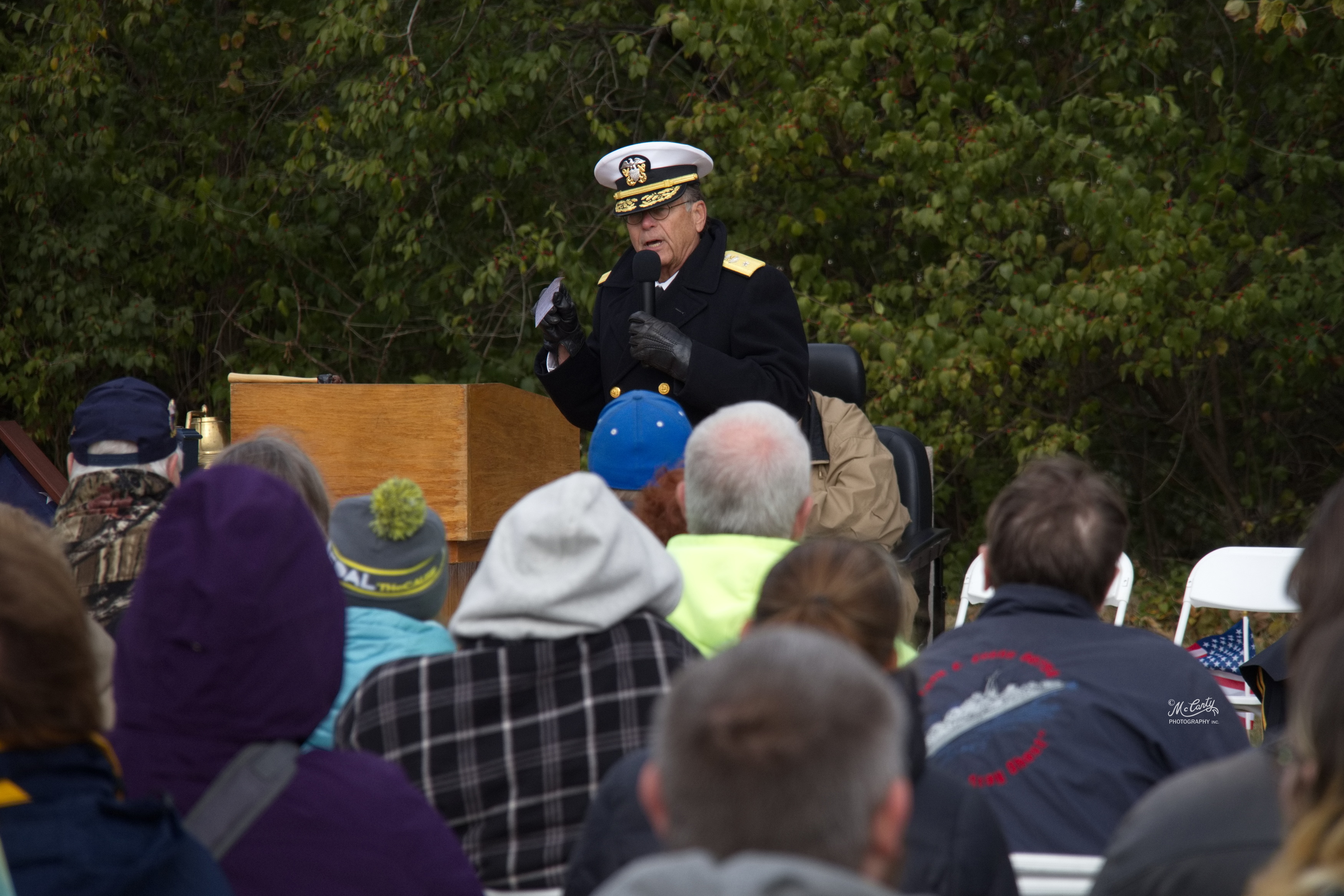
Rear Adm. Charles Williams, U.S. Navy retired, lives in St. Louis.